Turtles Eat What? Complete Turtle Diet Guide for Beginners
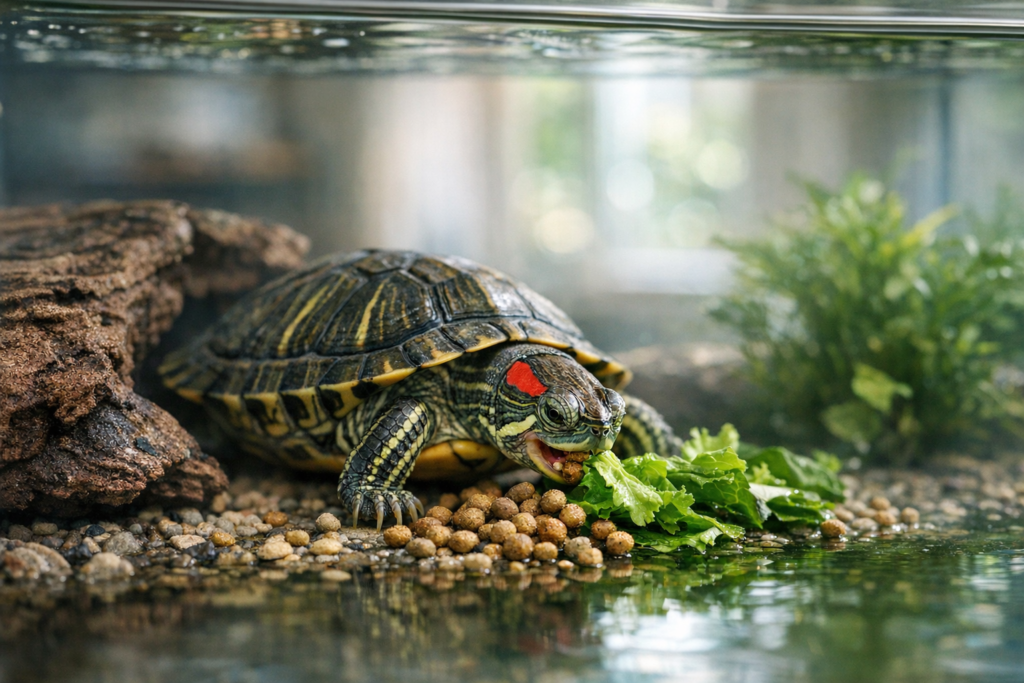
Turtles eat what exactly? This is one of the most common questions new turtle owners ask when setting up their tank for the first time.
The answer is not as simple as giving them one type of food. Turtles have a varied diet, and what they eat depends on their species, age, and overall care. If you want specifically about how to take care of red eared sliders, check out our detailed guide on red eared slider care.
If you feed the wrong foods or miss important nutrients, it can affect your turtle’s growth, shell health, and energy levels.
In this guide, you will learn what Freshwater types of turtles eat, how their diet changes over time, and how to build a proper feeding routine.
Related Turtle Care Guides
If you’re troubleshooting your turtle’s appetite or overall health, these guides may help:
- Turtle Tank Setup Guide
- Turtle Basking Setup Guide
- Best UVB Lighting for Pet Turtles
- The Ultimate Guide to Turtle Tank Filtration
- Turtle Food & Feeding Guide
- Turtle Respiratory Infection Symptoms
Turtles eat what in the wild
If you are wondering turtles eat what in the wild, the answer is much more interesting than most people expect.
In their natural environment, turtles do not follow a fixed diet. They eat whatever is available around them, and this can change depending on the season, location, and even the turtle’s age.
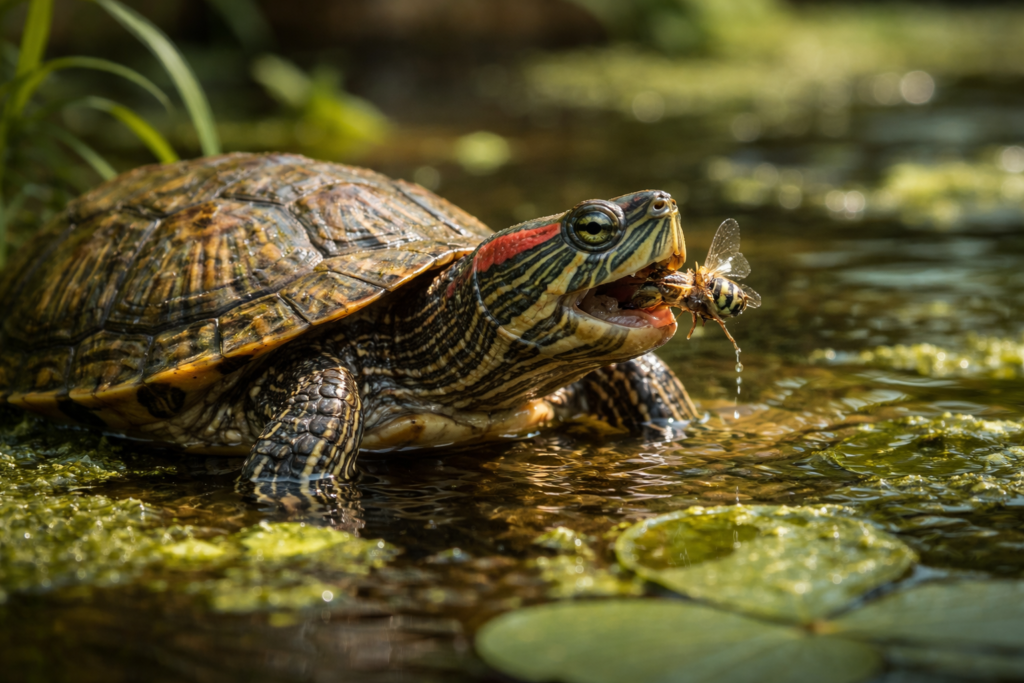
Most aquatic turtles are omnivores, which means they eat both plant matter and animal based food. You will often find them feeding on aquatic plants, algae, and soft vegetation growing in ponds and lakes. At the same time, they also hunt for small moving prey.
In the wild, turtles commonly eat things like small fish, insects, worms, tadpoles, and larvae. Younger turtles tend to go after more protein because their bodies are growing quickly, while older turtles gradually shift toward eating more plants.
Another interesting thing is that turtles are opportunistic feeders. They do not hunt in a structured way like some animals. Instead, they take advantage of whatever food source they come across. If there are insects near the surface, they will eat insects. If there is vegetation available, they will graze on plants.
This natural variety is exactly what keeps them healthy. It provides a balance of nutrients that supports growth, shell development, and overall energy.
Understanding what turtles eat in the wild helps you make better decisions when feeding your pet. The goal is not to copy nature exactly, but to create a similar balance of plant based and protein rich foods in a controlled environment.
Turtles eat what as pets
When kept as pets, turtles should be fed a balanced combination of three main food groups.
Turtle pellets
Pellets should form the foundation of your turtle’s diet. They are designed to include essential nutrients such as calcium and vitamins.
Feeding high quality pellets regularly helps ensure your turtle gets a stable nutritional base. Find out the best pellets for your turtle in our detailed Turtle food buying guide.
Recommended Pellets that you can find:
Best for Overall Nutrtion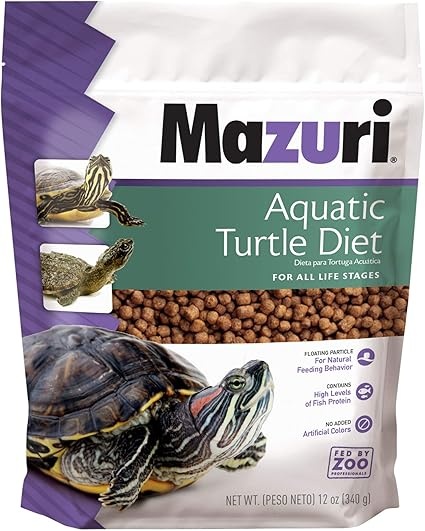 Mazuri Aquatic Turtle Diet (12 oz) |
Daily feeding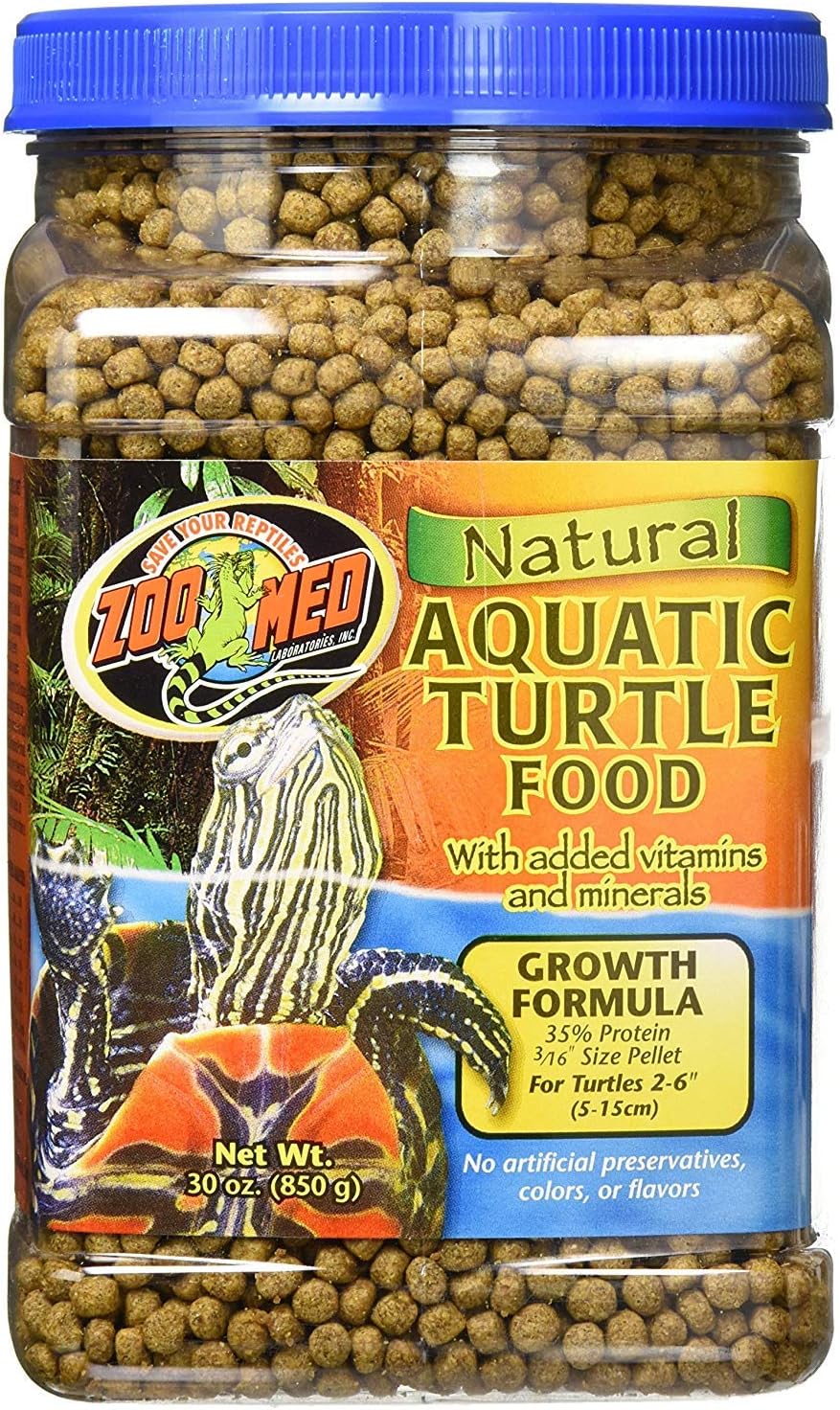 Zoo Med (various pellet options) |
Beginners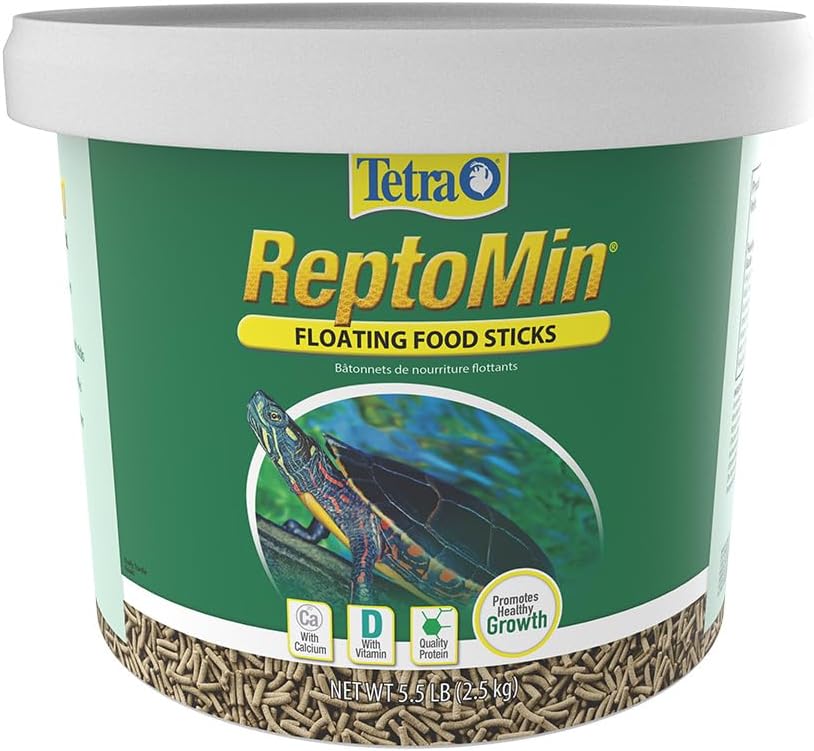 Tetra ReptoMin Floating Sticks |
Variety feeders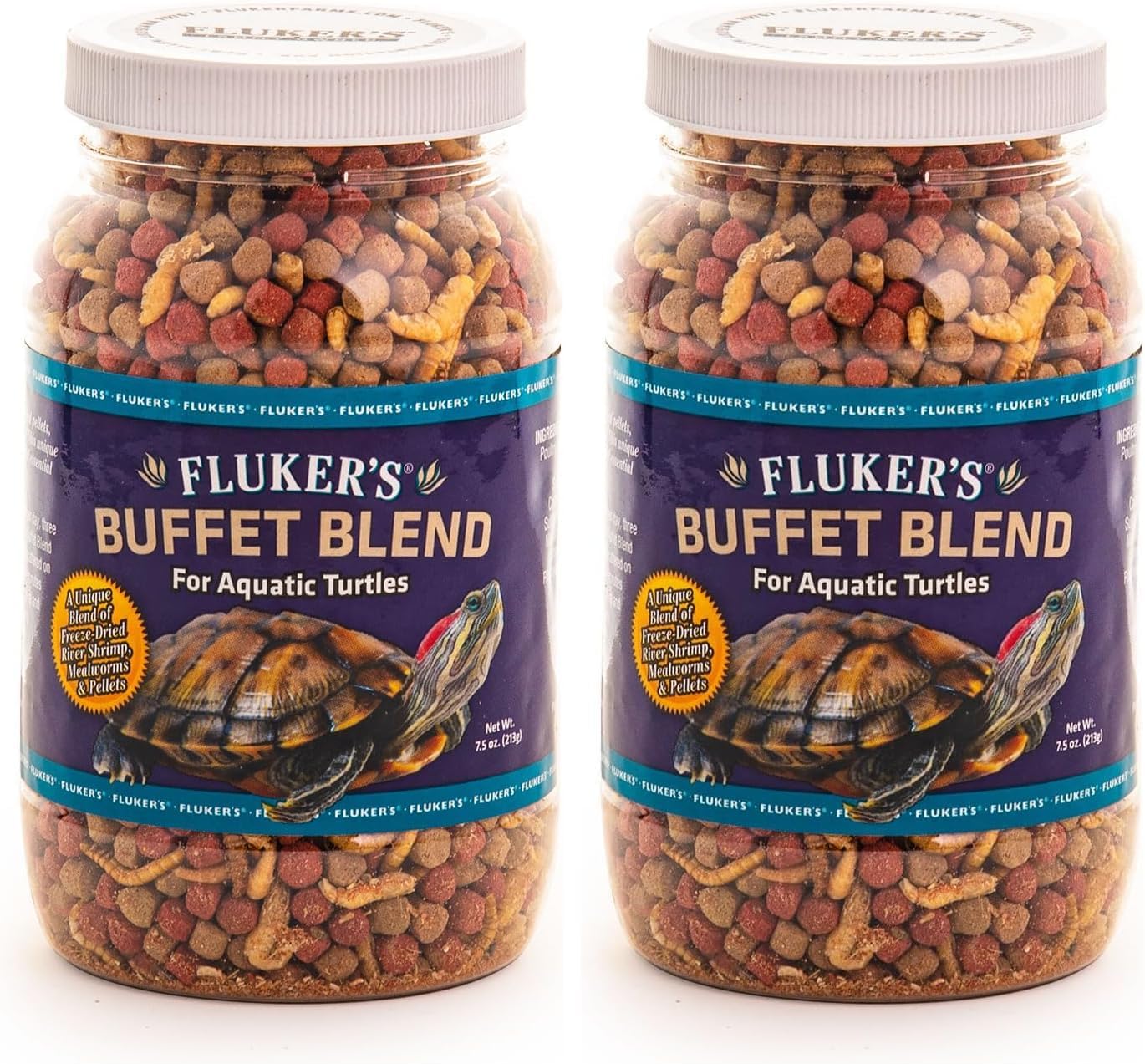 Fluker’s Buffet Blend / Fluker’s (7.5 oz) |
Growth & color enhancement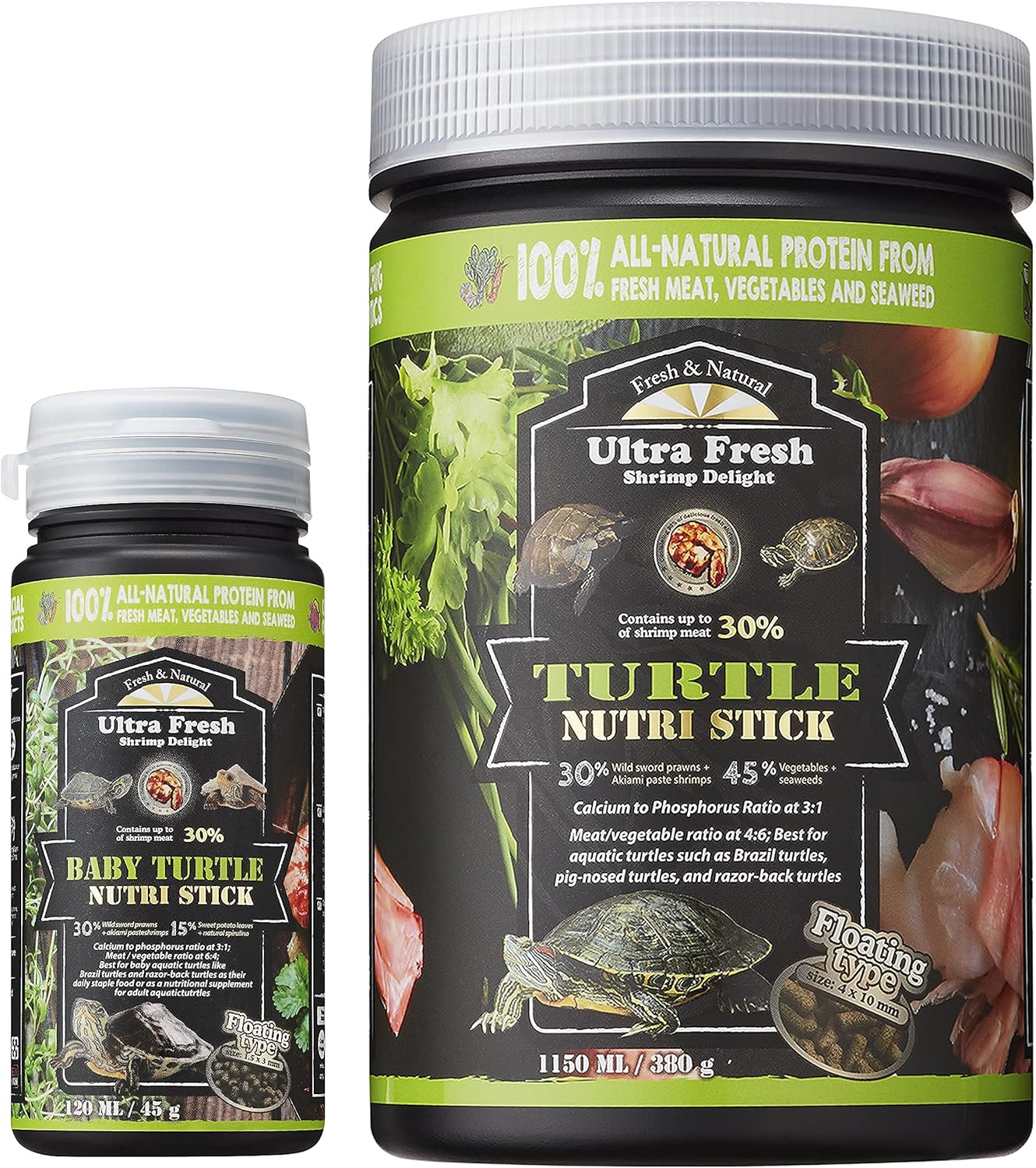 Ultra Fresh Turtle Nutri Stick |
Protein-rich diet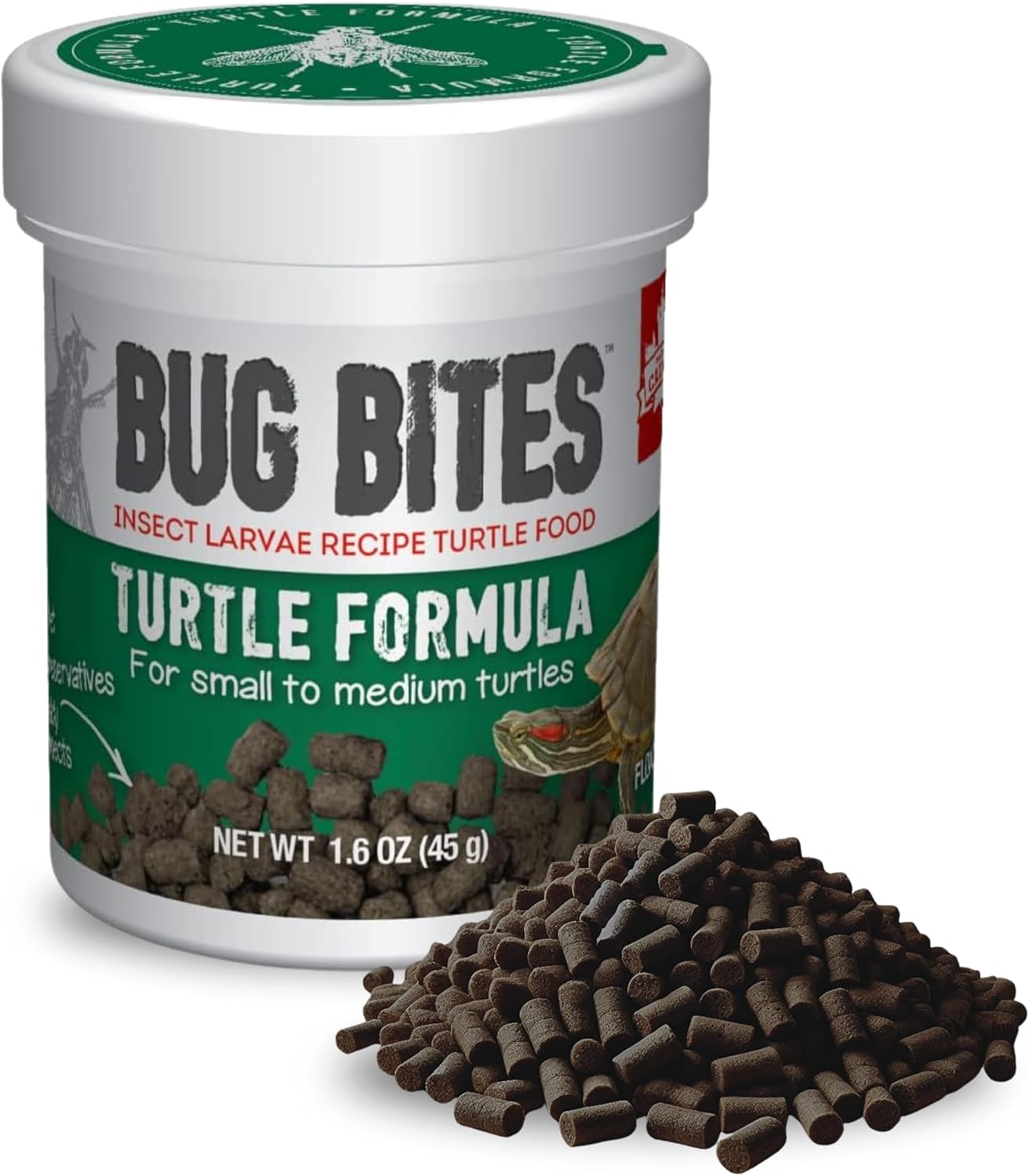 Fluval Bug Bites Turtle Food (1.5 oz) |
Treats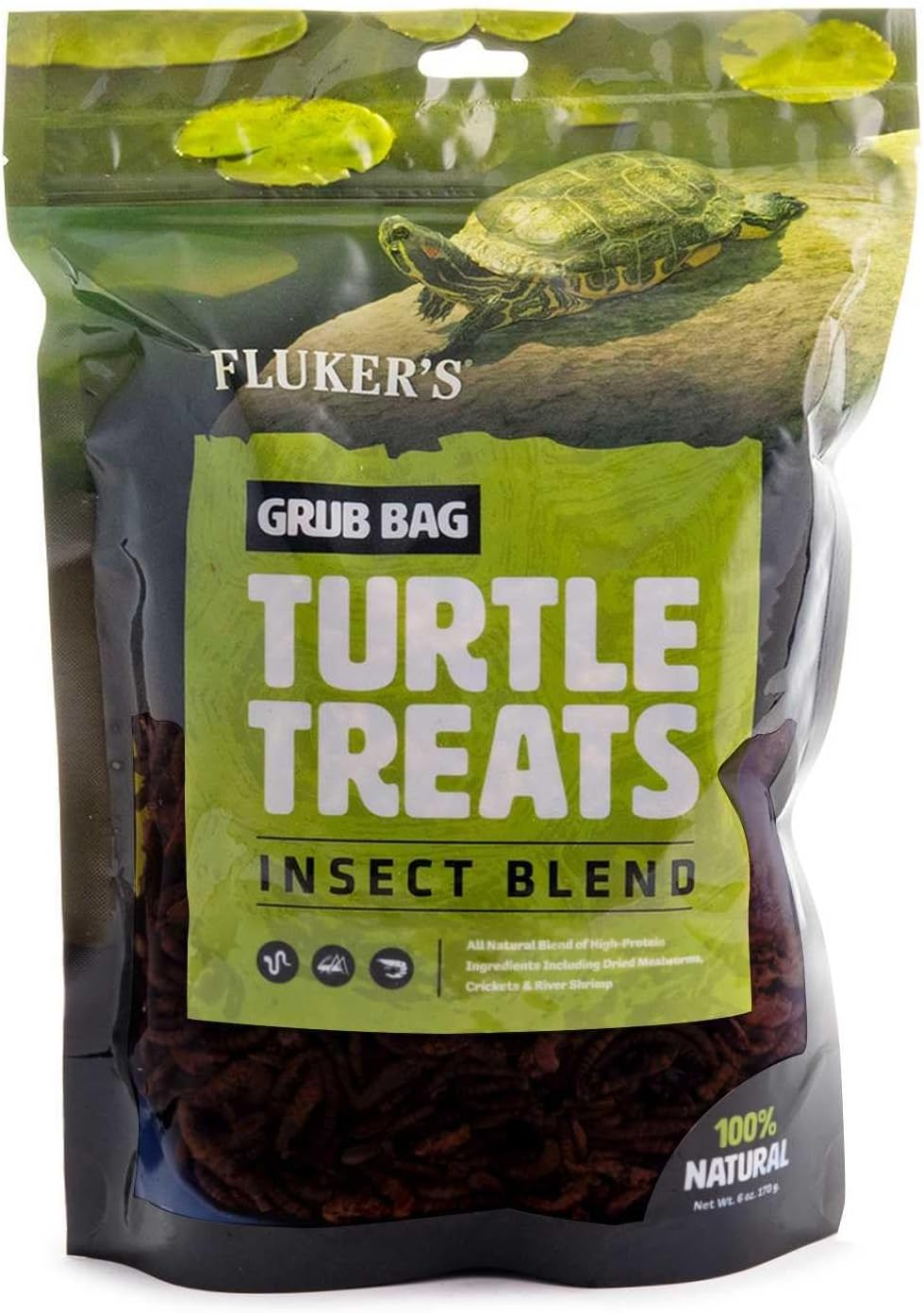 Fluker’s Grub Bag Turtle Treat (6 oz) |
|---|
Leafy greens and vegetables
As turtles grow, plant based food becomes more important.
Good options include:
- Romaine lettuce
- Kale
- Collard greens
- Dandelion greens
These help with digestion and provide important nutrients that pellets alone cannot fully cover.
Protein sources
Protein is especially important for younger turtles.
Common options include:
- Mealworms
- Crickets
- Small feeder fish
- Shrimp
Protein should be given in controlled amounts. Too much can lead to health issues and poor water quality.
Turtles eat what based on age
A turtle’s diet does not stay the same throughout its life. In fact, one of the biggest mistakes many owners make is feeding their turtle the same way as it grows.
Turtles go through a noticeable dietary shift as they age, and understanding this change is key to keeping them healthy.
Young turtles
Juvenile turtles are much more carnivorous compared to adults. At this stage, they are growing quickly, and their bodies need more protein to support shell development and overall growth.
In the wild, young turtles actively hunt small prey, and this behavior carries over into captivity as well.
A healthy diet for young turtles should include:
• More protein from sources like insects, worms, or small aquatic prey
• A portion of quality turtle pellets for balanced nutrition
• Limited amounts of leafy greens to slowly introduce plant matter
At this stage, protein plays a bigger role, but it is still important to start introducing greens early so they get used to it over time.
Check out the best pellets on Amazon:
Adult turtles
As turtles grow older, their dietary needs begin to change. They gradually shift toward a more herbivorous diet, meaning plant based food becomes more important.
This is a natural transition and reflects how they feed in the wild.
An adult turtle’s diet should include:
• A larger portion of leafy greens such as romaine lettuce, kale, or dandelion greens
• Moderate amounts of pellets to maintain balanced nutrition
• Occasional protein as a supplement rather than a main food source
This shift helps prevent issues like obesity and poor water quality, while also supporting long term health.
Understanding this change in diet is important because feeding too much protein to an adult turtle is one of the most common mistakes owners make. A balanced approach ensures your turtle stays active, healthy, and properly nourished over time.
Turtles eat what daily
Once you understand what turtles eat, the next important step is knowing how often to feed them. A proper daily feeding routine not only keeps your turtle healthy but also plays a big role in keeping your tank clean.
Many new owners either feed too much or too often, which can quickly lead to water quality issues and health problems. Keeping a simple and consistent routine makes things much easier.
Here are some general guidelines to follow:
• Young turtles should be fed once per day since they are still growing and need more energy
• Adult turtles can be fed every other day, as their metabolism slows down over time
• Leafy greens can be offered more frequently, even daily, especially for adult turtles
• Any uneaten food should be removed after feeding to prevent it from breaking down in the water
One of the most common mistakes is overfeeding. It might seem harmless, but excess food quickly turns into waste, making the water dirty and increasing the risk of health issues.
Check out the best pellets that prevents dirty water and risk of any health issues:
Best for Overall NutrtionMazuri Aquatic Turtle Diet (12 oz) |
Daily feedingZoo Med (various pellet options) |
BeginnersTetra ReptoMin Floating Sticks |
Variety feedersFluker’s Buffet Blend / Fluker’s (7.5 oz) |
Growth & color enhancementUltra Fresh Turtle Nutri Stick |
Protein-rich dietFluval Bug Bites Turtle Food (1.5 oz) |
TreatsFluker’s Grub Bag Turtle Treat (6 oz) |
|---|
A good way to manage portions is to feed only what your turtle can finish within a few minutes. This keeps both your turtle and your tank in better condition.
With a simple routine and controlled portions, feeding becomes easy to manage and much more effective in the long run.
Foods turtles should not eat
Understanding what turtles eat is important, but knowing what they should not eat is just as important for their long term health.
It is very easy to assume that turtles can eat anything, especially since they seem to accept almost any food you offer. However, many common foods are either difficult for them to digest or lack the nutrients they actually need.
Feeding the wrong foods regularly can lead to digestive issues, poor shell development, and even long term health problems that are difficult to reverse.
Here are some foods you should avoid:
• Processed human food such as chips, cooked meals, or packaged snacks. These often contain salt, oil, and artificial ingredients that are not suitable for turtles
• Bread and dairy products, which turtles cannot properly digest. These can cause bloating and digestive discomfort
• Sugary fruits in large amounts. While turtles can eat small portions of certain fruits occasionally, too much sugar can disrupt their system and lead to imbalance
Another thing to keep in mind is that turtles do not always know what is good for them. They may continue eating something simply because it is available, not because it is healthy.
A good approach is to stick to a natural and balanced diet made up of pellets, leafy greens, and controlled protein sources. If you ever feel unsure about a specific food, it is better to avoid it rather than take the risk.
Keeping their diet simple, clean, and consistent is one of the best ways to ensure your turtle stays healthy over time.
How diet affects water quality
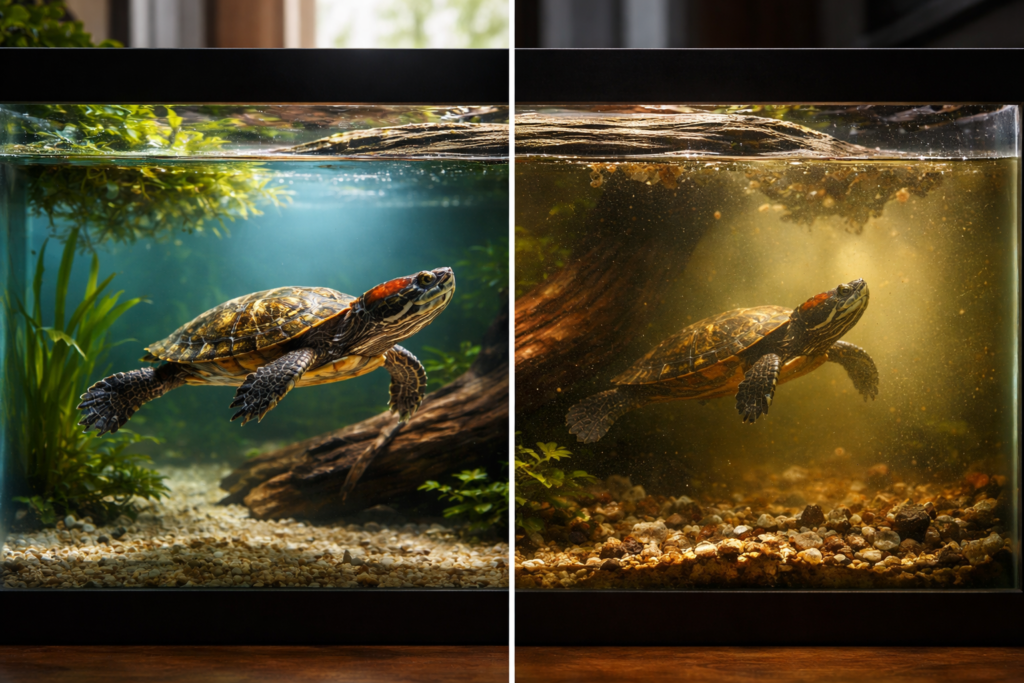
What you feed your turtle directly impacts your tank.
Uneaten food and excess protein break down in the water, leading to cloudy conditions and bad smells.
If you are struggling with water clarity, improving feeding habits and using proper filtration can make a big difference. You can learn more about this in this detailed turtle tank filtration guide.
Final thoughts
Turtles eat a wide variety of foods, but balance is the key to keeping them healthy.
By combining pellets, greens, and controlled protein, you can create a diet that supports growth, shell strength, and long term wellbeing. Our most recommended commercial pellets is Mazuri Aquatic Turtle Diet (12 oz).
From my experience, this is one of the few turtle foods that actually delivers consistent results over time. I started using it when I wanted to improve shell quality and reduce how quickly the water got dirty, and the difference was noticeable within a few weeks. My turtle was more active, the shell looked healthier, and there was significantly less waste compared to cheaper pellets I had used before.
Once you understand what turtles eat and how their needs change over time, feeding becomes simple and consistent.
Frequently Asked Questions
Most pet turtles eat a combination of turtle pellets, leafy greens, and small amounts of protein such as insects or fish. The exact balance depends on the turtle’s age and species.
Turtles should not eat only pellets. While pellets provide essential nutrients, they need a varied diet that includes vegetables and occasional protein for proper health.
Young turtles should be fed once a day, while adult turtles can be fed every other day. Leafy greens can be offered more frequently.
Turtles can eat vegetables like romaine lettuce, kale, collard greens, and dandelion greens. These help provide important nutrients and support digestion.
Overfeeding can lead to obesity, poor water quality, and health problems. It is important to feed the right portion and remove uneaten food.